Do Educational Institutions Pay Tax?
When we think of schools, colleges, and universities, we often picture places that teach. But like any group that earns and spends money, we may ask: Do educational institutions pay tax? In this blog, we will explain the tax rules they follow in the USA. We will keep it simple, clear, and easy to read. Knowing these rules is important for the schools, their staff, donors, and students. We will also show which activities may not be taxed and which ones could be.
Types of Educational Institutions in the USA
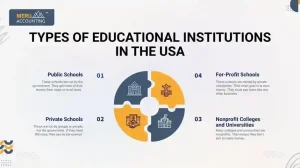
The USA has many types of educational institutions. Each type has different tax rules based on how it works.
Public Schools
These schools are run by the government. They get most of their money from state or local taxes. They are tax-exempt. They use all funds for teaching and school programs that serve the public. They must still report their spending and follow financial rules set by the state.
Private Schools
These are run by groups or people, not the government. If they meet IRS rules, they can be tax-exempt. But they still need to follow tax laws. Some may also pay taxes on activities not linked to education. They must report income clearly and follow both state and federal rules.
Nonprofit Colleges and Universities
Many colleges and universities are nonprofits. That means they don’t aim to make money. They spend money on learning, not profit. They also report how funds are used and stay within legal limits. They must avoid political activity and private gains.
For-Profit Schools
These schools are owned by private companies. Their main goal is to earn money. They must pay taxes like any other business. These schools are more like service-based companies with revenue goals. They follow normal business tax laws.
What Is the Tax on Education in the USA?
The tax on education in the USA is not one fixed rule. It depends on what the school does and how it earns money.
Income Tax
Most nonprofits do not pay income tax. But if they earn money outside their normal work, they may need to pay. For example, running a gift shop or leasing property brings in taxable income. IRS rules define what counts as unrelated income.
Sales Tax
In some states, schools must pay sales tax on items they sell, like books, clothes, or food. This applies more if those items are not related to learning or student needs. The rules can vary widely by state.
Property Tax
Most schools do not pay for this if they use their land for learning. But if they rent or sell space, tax may apply. Using land for events or non-educational use can lead to taxes. Local laws and how the space is used affect this.
Payroll Tax
Even tax-free schools must pay payroll taxes for staff, like Social Security and Medicare. All workers must be reported, and proper deductions made. This includes full-time, part-time, and contract staff.
When Do Educational Institutions Have to Pay Tax?
Not all income is tax-free. There are times when teaching institutions must pay tax.
Unrelated Business Income (UBI)
If a school runs a business not tied to learning, like renting out a hall or running a gift shop, it may owe tax. Any income not used for learning can lead to IRS checks.
Private Benefits or Gains
If school funds help staff or owners more than they should, the IRS may remove their tax-free status. Fair use of money is key to staying tax-exempt.
Failing IRS Rules
To stay tax-free, a school must keep good records, file yearly forms, and use money the right way. Breaking IRS rules can lead to taxes or fines.
Tax-Exempt Status: How It Works for Educational Institutions
Many educational institutions apply for tax-exempt status from the IRS. But getting this status needs care.
501(c)(3) Status
Most tax-free schools fall under 501(c)(3). They must teach, not aim for profit. They also must follow public interest rules.
How to Apply
The school files Form 1023 with the IRS and waits for approval. The form checks how money is earned and spent.
Keeping the Status
Once approved, they must report income and spending each year. They also must avoid banned acts, like joining politics. Non-compliance risks their tax-free status.
Tax Responsibilities for Different Types of Educational Institutions
Not all schools pay taxes the same way. Knowing the rules helps avoid mistakes.
Public Educational Institutions
Public schools, colleges, and universities are funded by the state or local government. They usually do not pay income or property tax. But if they rent space or run a business not linked to learning, taxes may apply.
Private Educational Institutions
Private schools and colleges can be tax-exempt if they meet IRS rules. They must still pay tax on income from non-educational activities. Following state rules is also key.
Nonprofit Colleges and Universities
Most nonprofit colleges spend money on learning, not profit. They are mostly tax-free, but unrelated business income can be taxed. Clear records help them stay compliant.
For-Profit Educational Institutions
Schools that run to earn money must pay all normal taxes. This includes income, sales, and property taxes. They are treated like other businesses under the law.
Key Takeaways on Taxes for Educational Institutions
- Tax rules vary by type of institution.
- Public and nonprofit schools are mostly tax-free but must report unrelated income.
- Private and for-profit schools pay taxes on certain activities.
- Staying tax-compliant protects the institution and its funding.
Knowing the rules for tax on education in the USA ensures that educational institutions manage funds correctly and focus on teaching.
Common Misconceptions About Education and Taxes
Many people get confused when they hear about taxes and teaching institutions. Let’s break down a few common myths.
Myth 1: All Schools Are Tax-Free
Not true. Only those that meet IRS rules are tax-free. For-profit schools must pay taxes. Non-compliant nonprofits may also lose their tax-free status.
Myth 2: Donations Are Always Tax-Free
They are, but only if the school is tax-exempt and the gift has no return benefit. If donors get gifts in return, the tax-free status may not apply.
Myth 3: Selling Goods Is Tax-Free
If a school sells goods like a store, it may need to pay sales tax. Selling unrelated items may turn into taxable business income.
Myth 4: Tax Rules Are the Same in All States
No. Each state sets its tax laws. Some charge tax on books; others don’t. Schools must check state laws before selling items or running events.
Why Tax Compliance Still Matters for Teaching Institutions
Even if schools don’t pay income tax, they must still follow tax rules.
Avoiding Fines
Bad records or missed reports can lead to big fines. Filing wrong or late forms can also hurt a school’s name.
Keeping Tax-Free Status
Schools must file forms each year to keep their status. They must also avoid private gains and unrelated income.
Earning Trust
Good tax work builds trust with donors, students, and the public. It also makes fundraising and grant approval much easier.
Handling Payroll Right
Even tax-free schools must pay staff taxes like other groups. They must deduct and file payroll tax just like private companies.
Record Keeping
Schools should keep clear records of all income, donations, and spending. Good bookkeeping helps track compliance and makes handling taxes on education in the USA easier. Organized reports also reduce errors during audits.
Tax Planning
Even tax-free schools must plan their budget. Setting aside funds for payroll taxes, sales tax, or unrelated income helps avoid fines. A clear plan also supports grants, donations, and smooth day-to-day operations.
At Meru Accounting, we work with teaching institutions across the USA to manage their taxes and bookkeeping. We understand the ins and outs of tax on education in the USA, including how federal and state tax rules affect schools, colleges, and training centers. Our team ensures full compliance with all regulations and keeps your financial records accurate and up to date. With us, you can focus on educating while we handle the financial side with precision and care.
FAQs
- What are educational institutions, and how are they defined?
It includes schools, colleges, and training centers that provide learning services. Their tax rules depend on whether they are public, nonprofit, or for-profit organizations.
- Do Educational establishments pay tax on unrelated income?
Yes. If an institution earns income from work not tied to its teaching role, it must report and pay taxes on that unrelated income based on IRS rules.
- How does the tax on education in the USA apply to private schools?
Private schools can be tax-exempt, but if they earn income from non-learning activities, they may face tax obligations. Each state may also have separate tax rules.
- Are public teaching institutions fully tax-free?
Public institutions are generally tax-exempt. But if they earn from rentals or unrelated business work, taxes may still apply depending on the nature of the income.
- Why do teaching institutions need to stay tax-compliant?
Following tax rules helps schools keep their nonprofit status, avoid penalties, and build trust with students and donors. It’s key to smooth and fair operations.
- Do educational institutions pay tax on donations they receive?
Generally, no. Donations are tax-free if the institution is a registered nonprofit and the donor receives no major benefit in return.